For the third time, I'm hosting the famous and the grandest food photography event,
"Does My Blog Look Good in This ?".
It's widely open to all foodie blogger to submit their best food/drink
photos. If you haven't send your photo yet, you still have plenty of
time before the closing date on January 20, 2013. Somehow, it's a good
way to find new food bloggers out there with beautiful images.
Rain and windy days have made the temperature much cooler than usual. The wind was blowing through the trees in front yard and passed the breeze into the house. It was so hard not to pull back my blanket over my head and go back to sleep. I feel so grateful that I'm still able to enjoy this amazingly beautiful day shared with my loved ones.
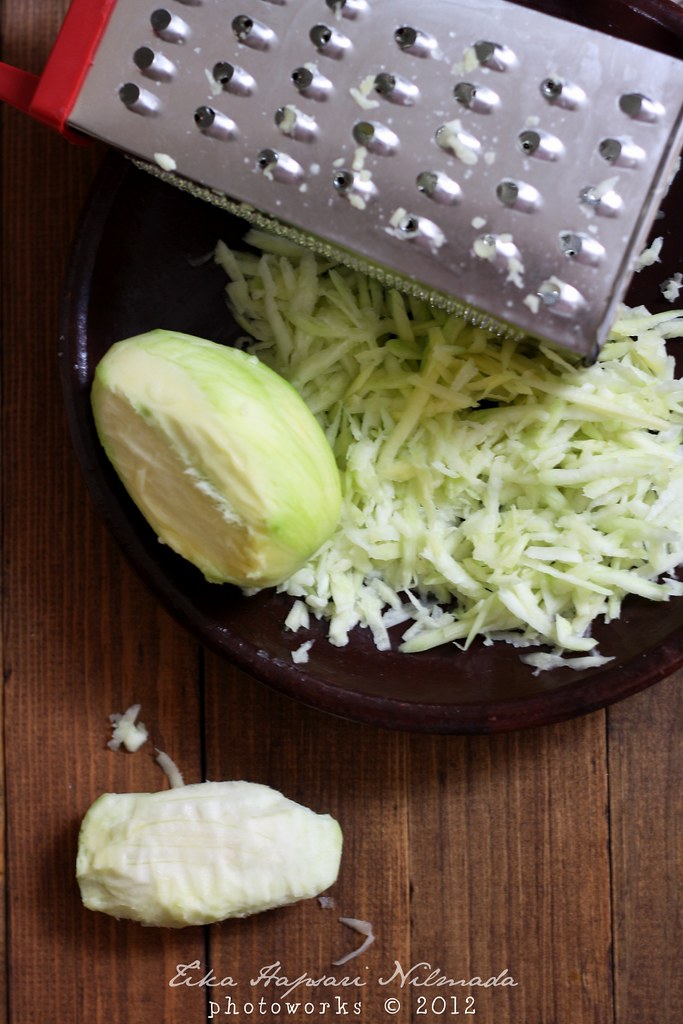
Cassava root is rich in carbohydrates and it's also a good source of
energy. In the country where I grew up, Indonesia, cassava is considered
as the primary ingredient of snacks and desserts. Tapai or tape or
peuyeum or fermented cassava is the result of cassava fermentation and
it can be cooked in many variations of cooking process. Bake, grill or
deep fry. In fact, fermented cassava can be mixed into beverages or desserts.
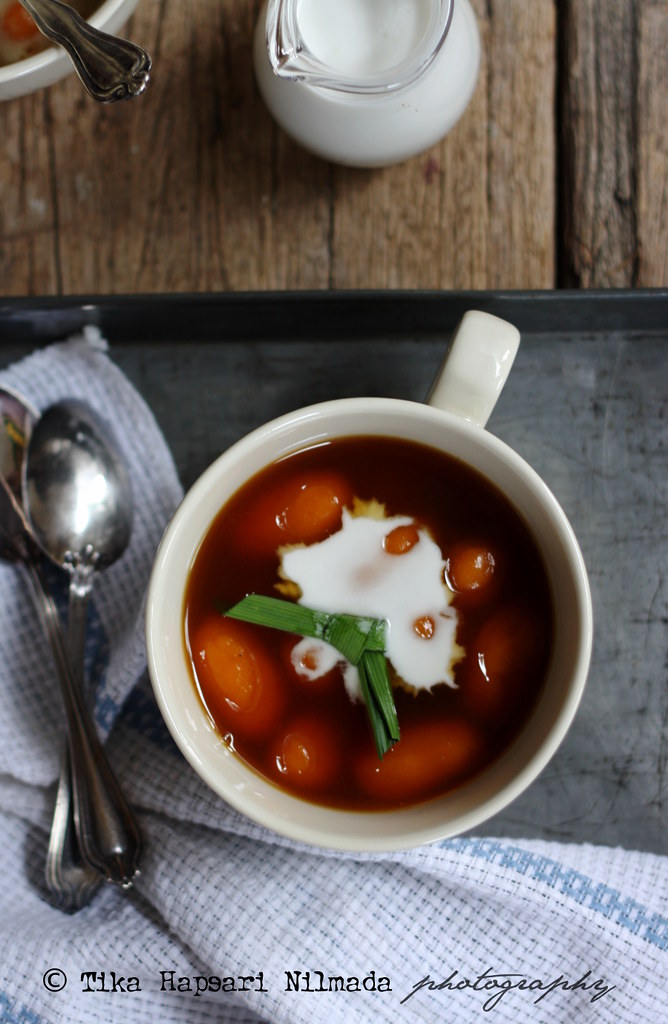
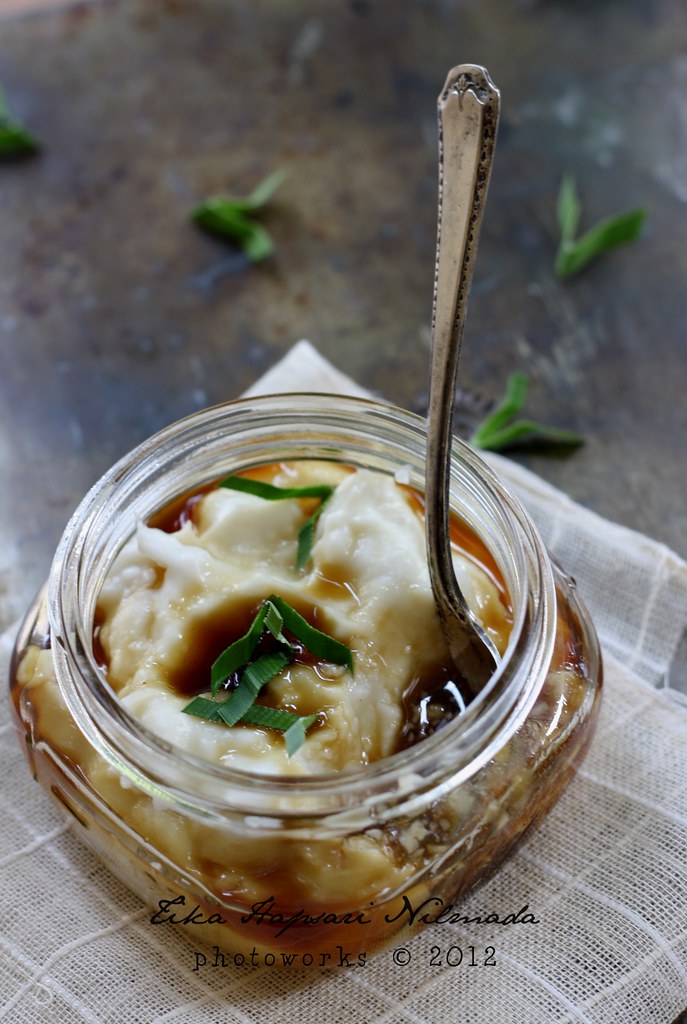
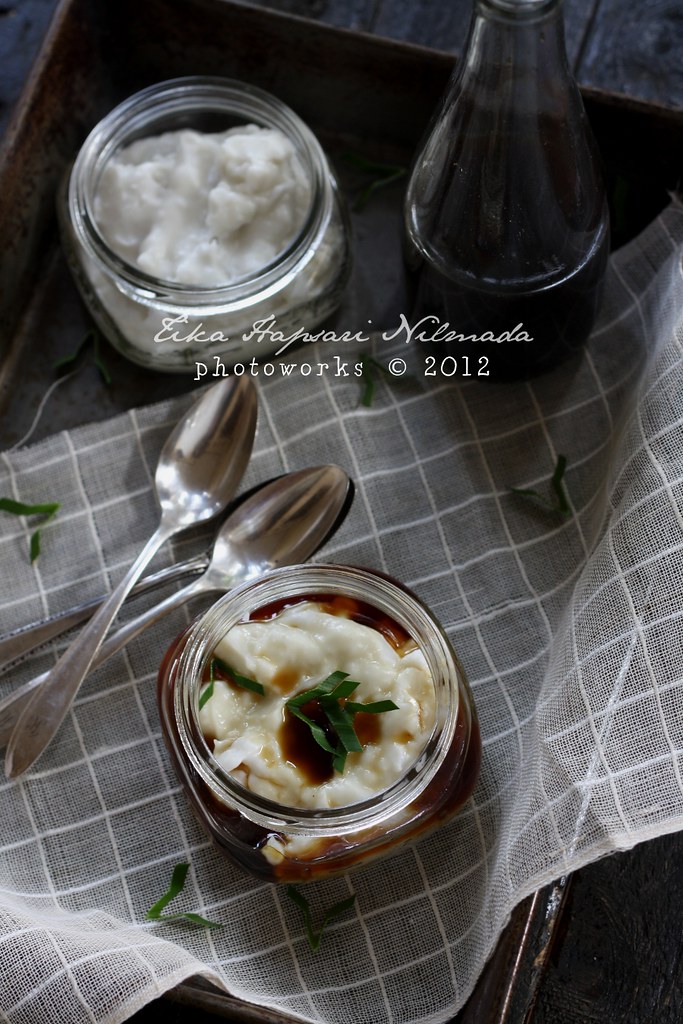
The first recipe I post early this year is a simple Indonesian traditional cake. Kalimbu is steamed cassava cake with banana wrapped inside the grated cassava then coated with shredded coconut from an ethnic group in South Sulawesi, Bugis. The using of cassava in Indonesian traditional cake is very common. If we dig a little deeper, we'll discover some similar cassava cakes in every regions in Indonesia. We have Mata Roda from Malang , Putri Noong from West Java, Songkolo Bandang from South Sulawesi or Putu Tegal.
In West Sumatra, we could find the authentic souvenir made from cassava, it called Keripik Balado or Keripik Sanjai or Cassava chips. Believe me, it's not just chips but more than that. It coated with sticky spicy red sauce that will make you ask for more and more.
Enjoy....








 click to enlarge